
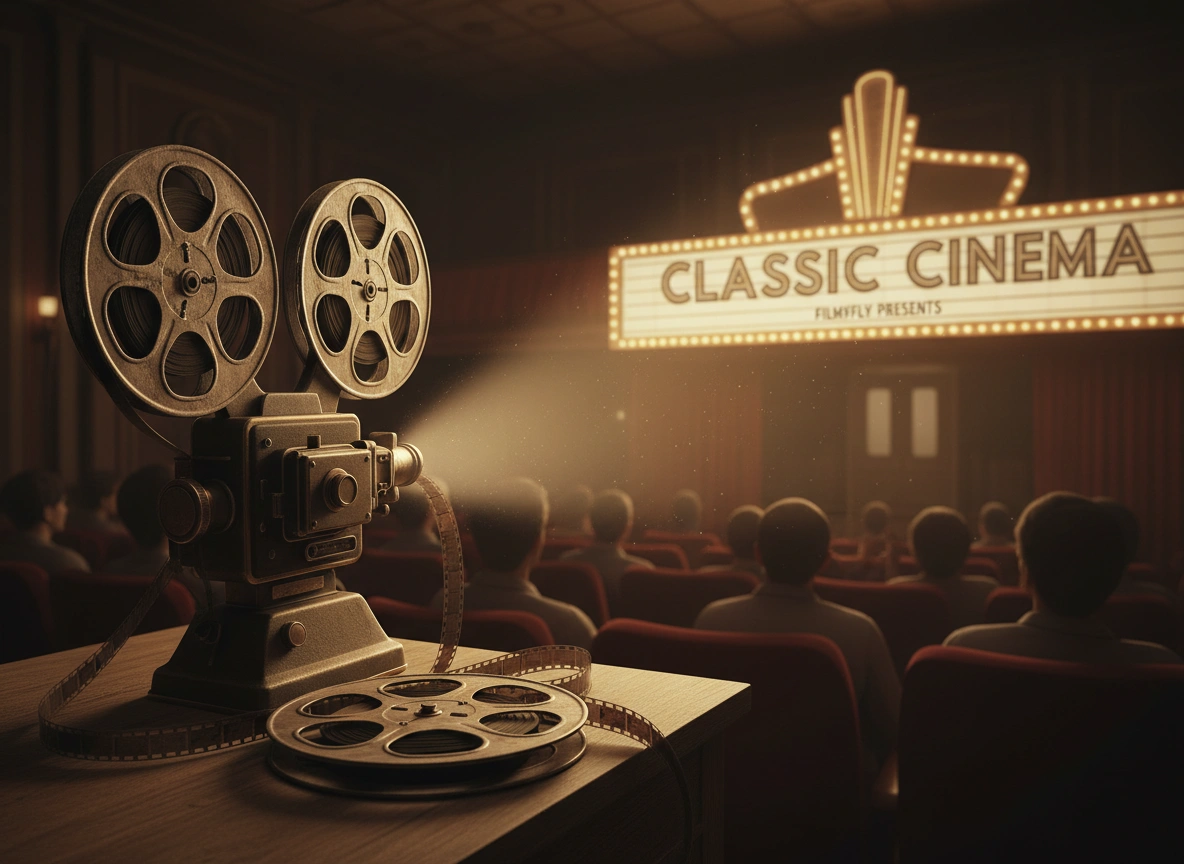
In an era dominated by high-octane superhero franchises and rapid-fire streaming releases, the quiet dignity of a black-and-white masterpiece or the vibrant Technicolor of a mid-century musical can easily be drowned out. We often hear that attention spans are shrinking and that audiences only want the “next big thing.” However, platforms like Filmyfly are proving that history still holds a powerful grip on the modern viewer.
Filmyfly has emerged not just as a content aggregator, but as a dedicated curator of film history. By strategically prioritizing classic cinema, the platform serves as a vital bridge between the golden ages of the past and the digital habits of the present. This article explores how Filmyfly contributes to preserving cinematic heritage, the strategies it employs to make old films feel new again, and why this mission matters more than ever in our current cultural landscape.
The Cultural Imperative of Preservation
Before diving into the mechanics of the platform, we must understand the stakes. Classic cinema is not merely entertainment; it is a historical record. Films from the 1940s, 50s, and 60s offer a window into the societal norms, fashions, political climates, and artistic constraints of their times.
The sad reality is that film is a fragile medium. It is estimated that a significant percentage of silent films are lost forever due to decomposition and neglect. While major studios have preservation departments, many gems slip through the cracks. This is where digital platforms step in. By digitizing and hosting these films, Filmyfly acts as a modern archive. It ensures that movies which might otherwise gather dust in a vault are available at the click of a button.
This accessibility changes the conversation around film history. It moves classic cinema from the exclusive domain of university lecture halls and specialized museums directly into the living rooms of general audiences.
Curatorial Strategy: Making the Old Feel New
One of the biggest hurdles in promoting classic cinema is the perception that it is “boring” or “dated.” Filmyfly combats this through intelligent curation and contextualization. They don’t just dump a library of 1950s noir films onto a server; they package them in ways that resonate with modern sensibilities.
Thematic Collections
Rather than sorting purely by year or director, Filmyfly often organizes films by theme or mood. You might find a collection titled “The Art of the Slow Burn,” featuring thrillers from Hitchcock alongside modern psychological dramas. This juxtaposition helps younger viewers see the lineage of storytelling. It shows that the tension they love in a David Fincher film has its roots in the works of Fritz Lang or Henri-Georges Clouzot.
Editorial Context
Filmyfly invests in editorial content that accompanies these films. Before clicking play on Casablanca, a viewer might be greeted with a short video essay or a brief article explaining the context of its release during World War II. This added layer of information transforms the viewing experience from passive consumption to active engagement. It provides the “keys” to unlock the film’s deeper meaning, making it more accessible to someone who didn’t grow up with that cinematic language.
Restoration Partnerships
Quality matters. A grainy, low-audio rip of a classic film is the quickest way to lose a modern audience accustomed to 4K resolution. Filmyfly has engaged in partnerships with restoration houses to ensure that the versions they stream are the best available. By presenting The Godfather or Seven Samurai in crisp high definition, they remove the technical barriers that often alienate new viewers.
Bridging the Generational Gap
Perhaps the most significant impact of Filmyfly’s strategy is how it connects generations. Movies have always been a communal experience, but the fragmentation of media has made it harder for parents and children to share content.
Filmyfly creates a neutral ground. A grandfather can introduce his grandchild to the slapstick comedy of Charlie Chaplin, while the platform’s algorithm suggests a modern comedy with similar beats. This cross-pollination of content fosters intergenerational dialogue.
We see this in the resurgence of interest in specific genres. For instance, the platform saw a spike in viewership for 1980s slasher films following the release of nostalgic modern TV shows. Filmyfly capitalized on this by creating “Origins of Horror” playlists, guiding fans of Stranger Things back to the source material that inspired it.
Digital Initiatives and Campaigns
Filmyfly’s commitment goes beyond passive hosting. They actively campaign to keep these films in the public consciousness.
The “Sunday Classics” Watch Party:
Recognizing the power of social media, Filmyfly launched a “Sunday Classics” initiative. At a specific time each week, users are encouraged to watch a selected classic film and discuss it live on social platforms using a dedicated hashtag. This turns a solitary activity into a communal event, mimicking the experience of a crowded theater. It creates a sense of urgency and “FOMO” (fear of missing out) around 60-year-old movies—a remarkable marketing feat.
Director Spotlights:
The platform regularly features deep dives into specific auteurs. A “Month of Kurosawa” or “The Varda Voyage” allows viewers to binge-watch a director’s filmography. These spotlights often include interviews with contemporary directors discussing how these legends influenced their own work. Hearing a Marvel director praise the framing in a John Ford western validates the classic film for a skeptical younger demographic.
Educational Outreach:
Filmyfly has also begun piloting programs with film schools and online education platforms. By offering student discounts and curated syllabi lists, they are positioning themselves as an essential tool for film education. This ensures that the next generation of filmmakers is well-versed in the grammar of the past.
The Business Case for Nostalgia
Ideally, we would preserve art for art’s sake. But in the business of streaming, profitability is key. Filmyfly demonstrates that classic cinema is not a charity case; it is a viable business asset.
Classic films are often cheaper to license than new releases. They have established fan bases and high re-watch value. By building a loyal subscriber base around this content, Filmyfly reduces the “churn” often seen with platforms that rely solely on expensive, hit-or-miss original content.
Furthermore, the “long tail” theory applies heavily here. While a new blockbuster gets millions of views in week one and then drops off, a classic film accumulates steady viewership over years. It provides a stable foundation for the platform’s library.
Challenges and Future Outlook
Despite these successes, challenges remain. The rights to many classic films are tied up in complex legal webs, making them difficult to acquire. Additionally, there is a constant battle for attention against short-form video content like TikTok.
However, the future looks bright. As the market becomes saturated with homogenous content, the uniqueness of classic cinema becomes a stronger selling point. Viewers suffering from “content fatigue” are increasingly turning to the proven quality of time-tested films.
Filmyfly’s potential role in this future is as a curator of quality. As AI and algorithms increasingly dictate what we watch, there is a growing premium on human curation—on a platform that says, “Watch this, because it matters.”
Conclusion
Filmyfly is doing more than just streaming movies; it is tending to the roots of the medium. By treating classic cinema with respect, presenting it with context, and marketing it with modern savvy, the platform ensures that the art form remains a living, breathing entity.
Whether it is preserving a rare silent film or introducing a teenager to the wonders of Technicolor, Filmyfly’s role in showcasing classic cinema is essential. It reminds us that great storytelling is timeless, and that to understand where cinema is going, we must always keep one eye on where it has been. For the cinephile and the casual viewer alike, this dedication to the past enriches our present and secures the legacy of film for the future.