
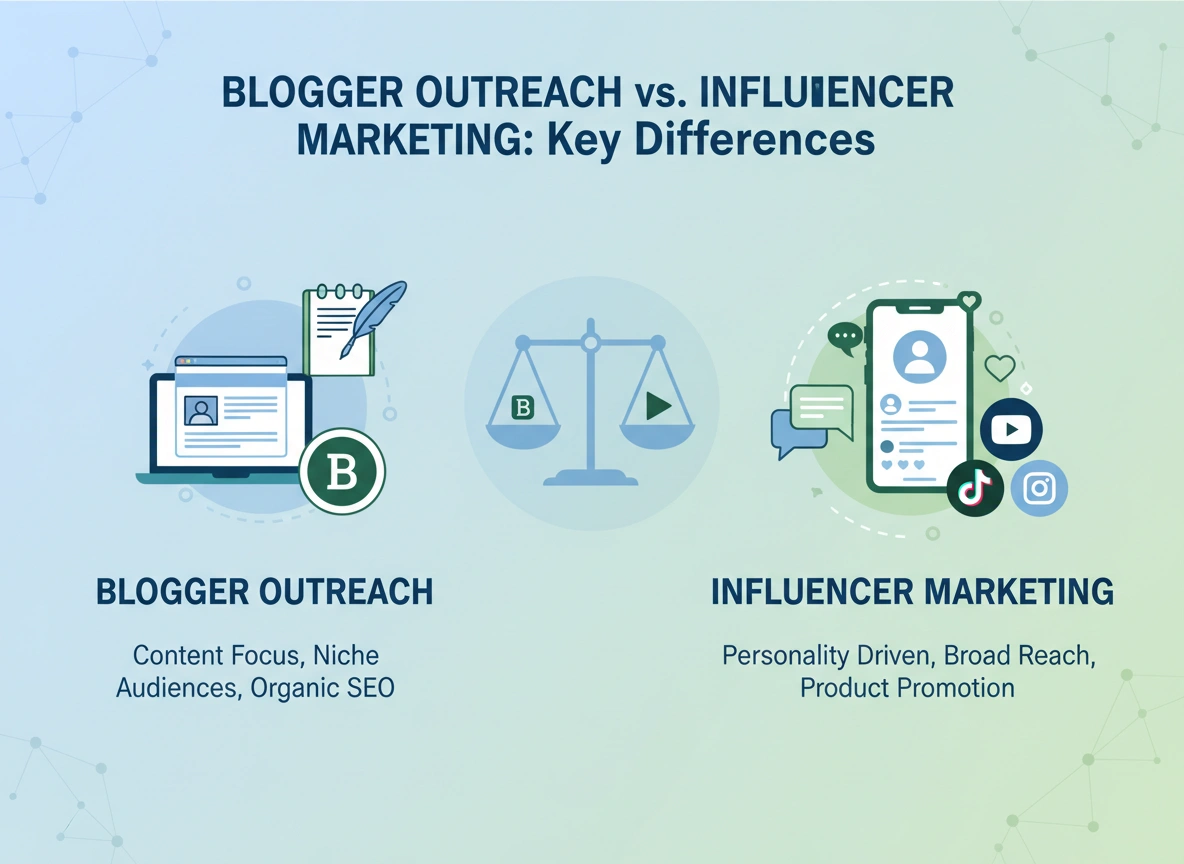
Marketing teams constantly look for new ways to capture audience attention and build brand trust. Two of the most effective strategies for achieving this are blogger outreach and influencer marketing. While many people use these terms interchangeably, they represent two distinct approaches to digital marketing. Understanding the nuances between them can significantly impact your campaign’s success, return on investment, and long-term brand visibility.
Both strategies rely on leveraging a third party’s audience to promote your products or services. However, they differ greatly in execution, platforms, content lifespan, and overall goals. This article explores the definitions, key differences, unique benefits, and specific use cases for both approaches.
What is Blogger Outreach?
Blogger outreach is a strategic process where brands connect with site owners and content creators who manage dedicated blogs. The primary goal is to secure high-quality content placements, product reviews, or backlinks on these specific websites. This strategy focuses heavily on written content and search engine optimization (SEO).
When you execute a blogger outreach campaign, you partner with creators who have established a loyal readership through written articles. These creators focus on deep dives, tutorials, detailed reviews, and long-form content. Brands typically provide the blogger with a product to review or collaborate on a guest post that naturally integrates the brand’s messaging.
The success of this approach relies on the blog’s domain authority, monthly organic traffic, and the relevance of the audience. Unlike fast-paced social feeds, blog content remains discoverable on search engines for years, providing enduring value and sustained organic traffic to your brand’s website.
What is Influencer Marketing?
Influencer marketing involves collaborating with individuals who have built a substantial following on social media platforms like Instagram, TikTok, YouTube, or X. These individuals possess the power to affect the purchasing decisions of their followers due to their authority, knowledge, position, or relationship with their audience.
This strategy thrives on visual content, rapid engagement, and immediate brand awareness. Influencers create short-form videos, high-quality photos, stories, and live streams to showcase products in action. The focus shifts from long-form written content to highly engaging, easily consumable media.
Campaigns in this space are often fast-paced and trend-driven. Brands use influencer marketing to generate immediate spikes in traffic, sales, and social media followers. Success metrics here revolve around engagement rates, video views, likes, comments, and shares rather than search engine rankings.
Key Differences Between the Two Strategies
To allocate your marketing budget effectively, you must understand the fundamental differences separating these two methodologies.
Platform Focus and Medium
The most obvious difference lies in the platforms used. Blogger campaigns take place on independent websites and content management systems like WordPress. The medium is primarily text-based, supplemented by images or infographics.
Influencer campaigns live on rented platforms like Instagram or TikTok. The medium relies heavily on visuals, audio, and video content. Social algorithms dictate the reach of this content, making it subject to sudden changes in platform rules.
Content Lifespan and SEO Value
Blog posts offer incredible longevity. A well-optimized article can rank on Google’s first page for years, driving continuous traffic and delivering a compound return on investment. The backlinks generated through these campaigns also boost your own website’s search engine rankings.
Social media content has a notoriously short lifespan. An Instagram post might gather the majority of its engagement within 48 hours before disappearing down the feed. A TikTok video might go viral for a week before fading away. While influencers generate massive immediate visibility, the long-term SEO benefits are practically nonexistent.
Audience Engagement Types
Blog readers typically have higher intent. When someone searches for “best running shoes 2026” and clicks on a blog post, they are actively seeking information to make a purchase decision. The engagement is deeply focused and research-driven.
Social media users scroll through feeds for entertainment or passive inspiration. An influencer’s audience might discover a product serendipitously. This engagement feels more personal and parasocial, driven by the follower’s connection to the influencer’s personality rather than active product research.
Cost and Compensation Models
Compensation structures vary wildly between the two. Bloggers often accept product seeding (free products) in exchange for an honest review, or they charge a fixed administrative fee to cover the time spent writing and formatting an article.
Social media influencers usually command higher, fixed rates based on their follower count and average engagement metrics. High-tier influencers and celebrities can charge tens of thousands of dollars for a single sponsored video or post, making this route potentially more expensive for immediate returns.
Benefits of Blogger Outreach
Investing in blog partnerships provides distinct advantages for brands focused on sustainable growth and authority building.
First, it dramatically improves your SEO profile. High-quality backlinks from reputable sites signal to search engines that your website is trustworthy. This improves your domain authority and helps your own pages rank higher for competitive keywords.
Second, blog articles provide space for comprehensive storytelling. Complex software, technical gear, or B2B services require detailed explanations that a 30-second video simply cannot accommodate. Bloggers have the word count available to address common questions, list pros and cons, and walk readers through a complete tutorial.
Finally, the evergreen nature of the content means you pay once for a placement that continues to work for you indefinitely. A review published today could still drive sales three years from now as new users search for related terms.
Benefits of Influencer Marketing
Influencer partnerships excel at creating massive bursts of brand awareness and capitalizing on cultural trends.
The primary benefit is immediate reach. Partnering with a prominent creator puts your product directly in front of hundreds of thousands of eyeballs instantly. This works exceptionally well for product launches, seasonal promotions, or flash sales where timing is critical.
Influencer content also provides powerful social proof. Consumers trust recommendations from people they follow and admire. Seeing a favorite creator actively using a product builds instant credibility and can bypass the traditional marketing funnel entirely, leading to direct impulse purchases.
Additionally, brands can often repurpose influencer-generated content for their own paid advertising channels. User-generated content usually performs better in paid social ads than highly polished, brand-directed studio photography.
Use Cases: When to Choose Which?
Selecting the right strategy depends entirely on your specific marketing goals, product type, and timeline.
When to Use Blogger Outreach
Choose this path if your primary goal involves long-term SEO growth and dominating search engine results. This strategy works perfectly for software-as-a-service (SaaS) companies, financial products, or expensive electronics. If your customer requires extensive research before making a purchase, you want them to find detailed, positive reviews on trusted blogs.
It also makes sense for startups operating on leaner budgets. Securing ten quality blog placements through product seeding can provide a stronger foundation for long-term organic traffic than spending the entire budget on one fleeting social media post.
When to Use Influencer Marketing
Opt for this strategy when you need fast visibility and have a highly visual product. Fashion, beauty, fitness, and food brands thrive in this space. If your product looks great on camera and solves an immediate, easily explainable problem, social media creators will drive the best results.
This approach also suits campaigns focused on brand revitalization or targeting younger demographics like Gen Z, who increasingly use platforms like TikTok as their primary search engine for lifestyle recommendations.
Moving Forward with Your Strategy
Both blogger outreach and influencer marketing offer powerful avenues for audience expansion. They are not mutually exclusive; the most successful brands often integrate both into a cohesive marketing mix. You might use bloggers to build an enduring foundation of SEO and detailed reviews, while deploying influencers to drive immediate sales spikes and trend awareness.
Review your current marketing objectives. If you need to establish long-term authority and capture high-intent search traffic, start identifying relevant niche blogs to contact. If you need to build buzz around a highly visual new product launching next month, begin vetting social media creators. By aligning the specific strengths of each strategy with your core business goals, you can maximize your marketing budget and achieve sustainable, measurable growth.