
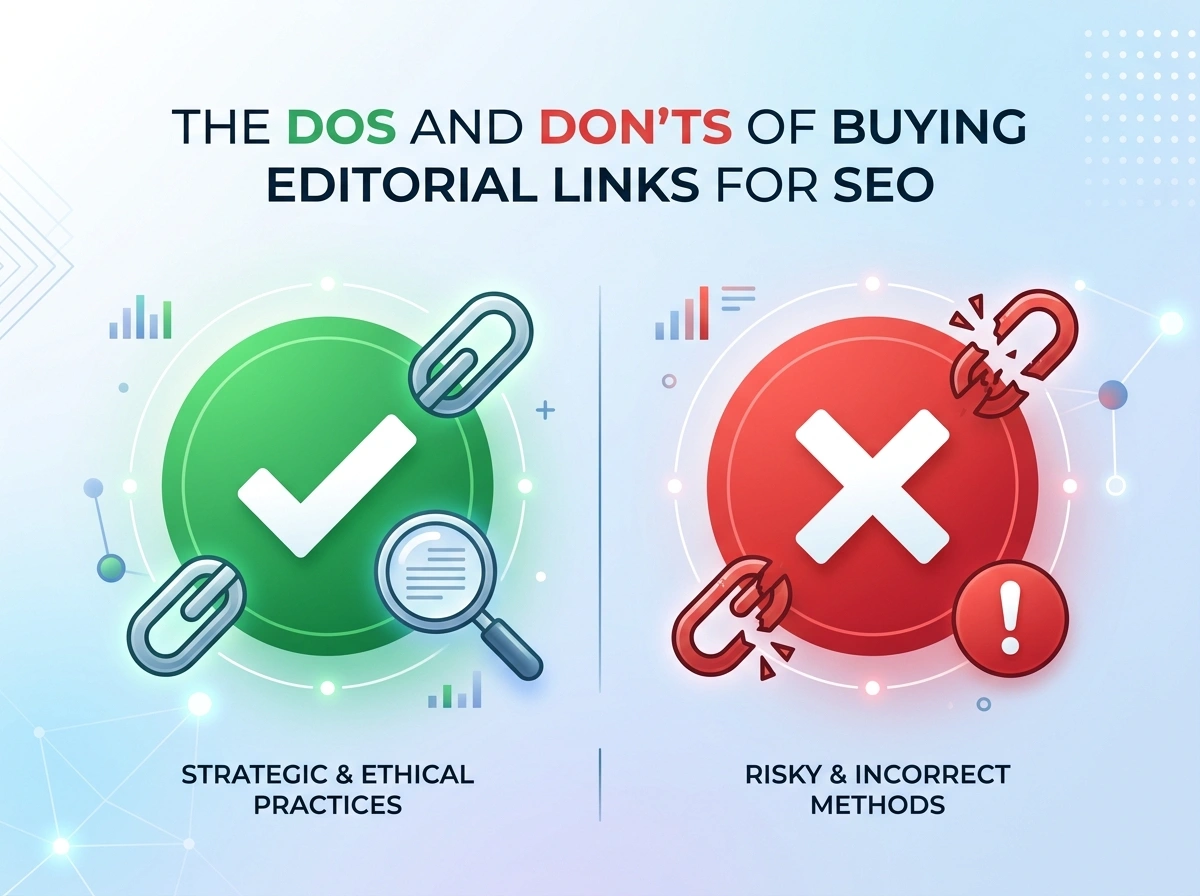
Securing high-quality backlinks remains one of the most effective ways to improve your website’s search engine rankings. Search engines view links from reputable websites as votes of confidence, signaling that your content is valuable, authoritative, and trustworthy. Among the various types of backlinks available, editorial links are widely considered the gold standard. These are links placed naturally within the body of high-quality content, surrounded by contextually relevant information that adds genuine value to the reader.
Acquiring these links organically can take months or even years of consistent content creation and outreach. As a result, many businesses turn to paid placements to accelerate their growth. While purchasing links violates strict interpretations of search engine guidelines, the reality is that digital PR and sponsored content are standard practices in the modern SEO landscape. The key is executing this strategy safely, ethically, and effectively.
If you approach link buying haphazardly, you risk severe search engine penalties that can decimate your organic traffic overnight. However, a strategic, quality-focused approach can secure placements on authoritative publications that drive significant ranking improvements and qualified referral traffic.
Understanding the rules of engagement is critical before you allocate your marketing budget. This comprehensive guide will walk you through the essential dos and don’ts of acquiring editorial placements, ensuring your SEO strategy remains safe, effective, and primed for long-term success.
The Dos of Buying Editorial Links
When you invest in link building, your primary goal should be acquiring placements that look completely natural to search engine algorithms. Following these essential practices will ensure your investment yields positive SEO outcomes.
Prioritize Contextual Relevance
A link from a high-authority website is essentially useless if the website’s niche has nothing to do with your industry. If you run a financial software company, a backlink from a popular food blog will look entirely unnatural to search engines. Always prioritize publications that align closely with your specific sector.
The content surrounding your link must make sense. The anchor text should flow naturally within the sentence, and the article itself should provide value to the target audience. Search engines have become incredibly sophisticated at understanding context, and they heavily discount links that appear forced into unrelated articles. When evaluating a potential publication, ask yourself if your target audience would actually read that website. If the answer is no, look for placement opportunities elsewhere.
Assess the Site’s Traffic and Audience
Domain Rating (DR) and Domain Authority (DA) are useful third-party metrics, but they can be manipulated. A website might boast a high DR while receiving virtually zero organic traffic from search engines. Before you pay for a placement, use SEO tools to verify the publication’s organic traffic trends.
A legitimate website will show a steady or growing traffic graph. If you notice a massive, sudden drop in traffic, the site may have been penalized by a recent algorithm update. You should also evaluate the keywords the site currently ranks for. A trustworthy publication will rank for terms relevant to its niche. If a technology blog is suddenly ranking for pharmaceutical keywords, it is likely a compromised site or a spam network.
Demand High-Quality, Data-Driven Content
The article hosting your link must meet high editorial standards. Search engines favor comprehensive, well-researched content that satisfies user intent. If your link is placed in a thin, poorly written 300-word article, it will pass very little SEO value and could even trigger quality flags.
Ensure the content is written by native speakers or skilled professionals who understand the subject matter. Include relevant data points, actionable advice, and natural internal links to other pages on the publisher’s website. A high-quality article not only protects your backlink profile but also increases the likelihood that real readers will click through to your website.
Verify Permanent Placements
Some untrustworthy link vendors offer temporary placements, removing your link after a few months unless you pay a recurring fee. This practice creates an unnatural link velocity, where your site suddenly gains and loses backlinks in a short period. Always confirm that your editorial links are guaranteed to be permanent. Permanent placements provide compounding SEO value over time, ensuring a strong return on your investment.
The Don’ts of Buying Editorial Links
Knowing what to avoid is just as important as knowing what to do. Falling into these common traps can trigger manual actions or algorithmic devaluations from search engines.
Avoid Private Blog Networks (PBNs) at All Costs
Private Blog Networks are clusters of websites created solely for the purpose of selling links and manipulating search rankings. These sites usually feature thin content, hidden ownership details, and link profiles stuffed with outbound commercial links.
While PBNs might offer a temporary ranking boost, search engines are highly adept at identifying and penalizing these networks. Once a PBN is deindexed, every site linked to it risks severe ranking drops. Always review a potential publisher’s website manually. If it looks like a generic template filled with unrelated articles covering everything from home repair to cryptocurrency, it is likely part of a PBN.
Don’t Rely Exclusively on Exact-Match Anchor Text
In the early days of SEO, webmasters would aggressively use their target commercial keywords as anchor text (e.g., “best accounting software”) for every backlink they built. Today, this strategy is a massive red flag.
Over-optimizing your anchor text profile signals to search engines that your links are artificially manufactured. Instead, aim for a natural, diversified anchor text profile. Use a healthy mix of branded anchors, partial-match keywords, generic phrases (like “click here” or “read more”), and naked URLs. When you do use exact-match anchors, use them sparingly and only when they fit perfectly into the sentence’s context.
Steer Clear of Sites with “Write for Us” or “Sponsored Post” Labels Everywhere
If a website openly advertises that it sells links, search engines are likely aware of it. Publications that feature a prominent “Write for Us” page outlining their pricing structure are heavily scrutinized.
Furthermore, some websites tag paid content with “Sponsored” or “Guest Post” labels. While this complies with FTC guidelines, search engines may discount links within these specific articles. Focus your budget on genuine editorial placements where your link is integrated seamlessly as a cited resource within a standard, non-promotional article.
Never Compromise on Minimum DR Guarantees
While relevance is vital, you still need the linking domain to possess sufficient authority to move the needle. Buying hundreds of links from brand-new websites with a DR of zero will not improve your rankings and may actually harm your site’s reputation. Set strict criteria for your placements, generally targeting websites with a Domain Rating of 40 or higher. This ensures the publications you partner with have established trust with search engines.
Best Practices for SEO Integration
Acquiring the links is only one piece of the puzzle. How you integrate this strategy into your broader SEO efforts determines your ultimate success.
Maintain a Natural Link Velocity
If your website has historically earned one or two backlinks a month, suddenly acquiring fifty high-authority editorial links in a single week will trigger algorithmic suspicion. Search engines look for natural growth patterns.
Scale your link-building efforts gradually. Start by acquiring a few high-quality placements per month and slowly increase the volume as your website’s overall traffic and authority grow. A steady, consistent approach is far safer and more effective than sporadic spikes in link acquisition.
Diversify Your Backlink Profile
Editorial links should be the centerpiece of your link-building strategy, but they shouldn’t be the only links you acquire. A natural backlink profile includes a variety of link types, such as industry directories, digital PR mentions, social media profiles, and organic citations. Diversification makes your overall link profile appear organic and resilient against algorithm updates.
Partner with Reputable Link Building Agencies
Navigating the complexities of quality control, outreach, and content creation requires significant time and expertise. Many businesses lack the internal resources to execute a high-level link-building campaign safely.
Working with a transparent, experienced agency can mitigate risk and maximize ROI. Reputable partners handle the entire process—from comprehensive backlink audits to strategic outreach and premium content creation. If you want to streamline this process and guarantee placements on verified, high-traffic publications, you can buy editorial links through trusted specialists who adhere to strict white-hat standards. Professional agencies ensure that every placement meets rigorous criteria for domain authority, contextual relevance, and organic traffic.
Track Your Placements and Measure ROI
Link building is an investment, and you must track its impact on your overall business goals. Keep a detailed record of every editorial link you acquire, including the publication’s URL, the target page on your website, the anchor text used, and the date the link went live.
Use SEO analytics platforms to monitor the keyword rankings and organic traffic of your target pages. It typically takes a few weeks to a few months for new backlinks to fully impact search results. By tracking this data, you can identify which types of publications yield the best results and adjust your future strategy accordingly.
Mastering Your Link Building Strategy
Securing premium editorial placements is a powerful mechanism for building brand authority, outranking competitors, and driving qualified organic traffic to your website. However, the days of buying cheap links in bulk are long gone. Success in the modern search landscape requires a commitment to quality, relevance, and strategic execution.
By prioritizing contextually relevant publications with real organic traffic, and strictly avoiding manipulative tactics like PBNs and over-optimized anchor text, you can safely build an unshakable backlink profile. Treat link building as an extension of your digital PR and brand-building efforts. When done correctly, high-quality editorial citations act as a long-term asset, providing compounding value that elevates your business above the competition. Take the time to audit your current backlink profile, define your target commercial pages, and start executing a quality-first outreach strategy today.